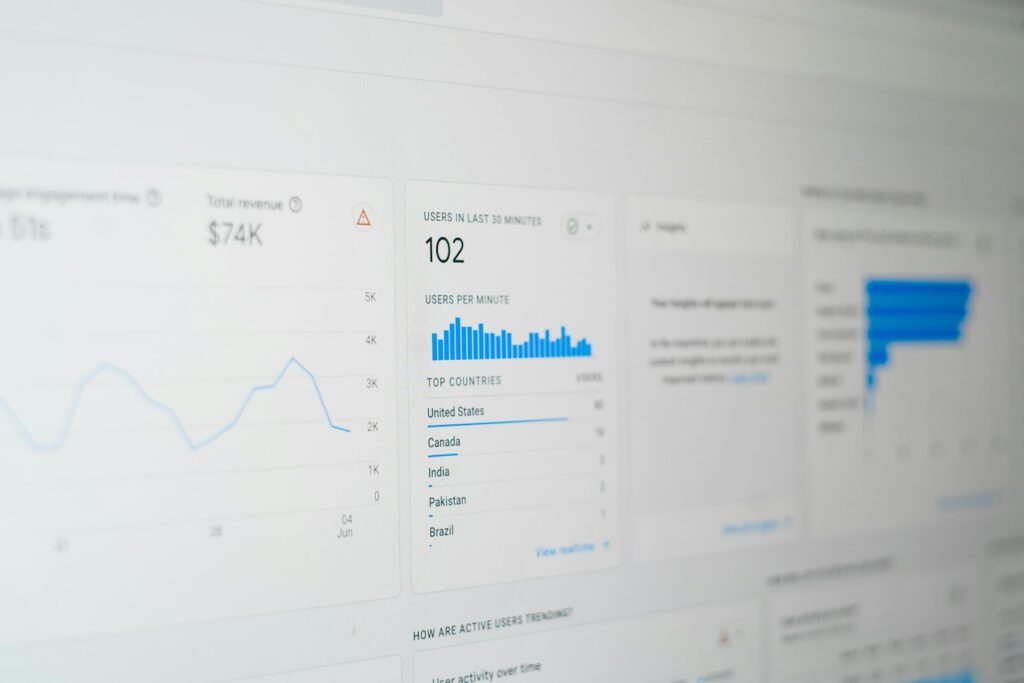
These days, if you’re navigating the wild world of digital marketing, you know that AI is changing the game. Search engines powered by AI, like ChatGPT and Google’s Gemini, aren’t just a novelty – they’re reshaping how people find what they need online. And that means your brand’s visibility isn’t just about typical SEO rankings anymore. To really stay in the loop and ahead of the pack, you’ve got to dial in on tracking your brand’s presence specifically within these AI-powered channels.
Here at White Wolf Marketing, we’ve seen firsthand how traditional SEO metrics don’t quite cut it for AI-driven results. You need a fresh approach that digs into how your brand pops up in AI responses, voice assistants, and conversational searches. Tracking AI visibility with the right tools and tuning into AEO – that’s Answer Engine Optimization metrics – gives you a sharper lens to see how well you’re really doing in this new environment.
Why You Should Care About AI Visibility
Tracking AI visibility is about more than just knowing if you rank high on a search page. It’s about understanding the storyline AI tells when your brand comes up. That includes how often your name appears, what kind of sources AI cites when talking about you, and even the feelings or sentiment tied to your brand in these AI responses.
This kind of insight helps you see what questions bring up your brand, how trustworthy the information around you looks, and what kind of vibe AI is associating with your business. When you get this data, you can:
- Create content that fits how AI crafts its answers, boosting your chances to stand out.
- Spot gaps where your competitors might have the edge.
- Shape the story AI tells so it shows your brand in the best light.
- Keep tabs on how your AI visibility changes over time and react quickly.
Must-Have Tools to Track AI Visibility
Diving into AI visibility tracking can feel like stepping into new territory because it’s a rapidly evolving space. Lucky for you, there are some standout tools ready to help put this puzzle together:
- SE Ranking AI Visibility Tracker: This tool focuses on how Google’s Gemini showcases your brand. It keeps an eye on AI mentions, links cited, and how competitors are faring. They even offer API access if you want to pull that data into your own dashboards. Check out their official page for the juicy details.
- HubSpot’s AEO Tool: HubSpot brings a handy dashboard to the table, packed with visibility scores, prompt tracking, and citation analysis tailored for platforms like ChatGPT and Gemini. It’s a solid pick for visualizing trends in your AI presence. Find out more about the HubSpot AEO tool.
- AIclicks and AirOps: These guys specialize in monitoring brand mentions and sentiment across AI platforms. AIclicks is often named among the top AEO tools in 2026, with features crafted for AI-powered search landscapes. Dive deeper on their AIclicks blog.
- Semrush and Ahrefs Brand Radar: While these tools are SEO veterans, they’ve smartly expanded into AI visibility and GEO tracking. Semrush especially merges traditional SEO insights with AI tracking for a fuller picture. See what Position Digital has to say in their AI visibility tracking review.
- Conductor: If you’re looking enterprise-level, Conductor melds content creation tools with AI visibility features – a favorite recommendation from WP Engine for serious AEO efforts. Learn more on WP Engine’s overview.
Which AEO Metrics Matter Most?
Getting a real grip on AI visibility hinges on tracking the right data points that reveal how AI platforms interpret and showcase your brand. Here are the key metrics you should keep a close eye on:
- AI Visibility Score: Think of this as your overall badge of honor – measuring how often and prominently you appear in AI-generated answers.
- Mention Rate: This tells you how frequently your brand name appears in AI responses.
- Citation Quality: Not all mentions are created equal – this tracks how credible the sources are that AI uses when referencing your brand.
- Sentiment Analysis: Is AI painting your brand in a positive light, a neutral shade, or a negative tone? This metric cracks that code.
- Prompt Tracking: Understand which questions or prompts trigger your brand’s mention in AI answers.
A great example of a solid framework for these metrics comes from Fast Frigate. They’ve built their system based on W3C Provenance standards that structure AI visibility tracking really well. You can explore more on their resource page.
Blending AI Visibility with Your Marketing Strategy
When you weave AI visibility insights into your broader marketing plan, you’re not just playing catch-up; you’re setting the pace. Mix these AI metrics with your traditional SEO efforts, and you get a powerhouse combination that covers all your bases online.
If you want a deeper dive into how AEO complements SEO, we’ve got a detailed discussion on that right here at White Wolf Marketing. Check out our in-depth guide AEO vs SEO: Discover the Difference and Why You Need Both to get the full scoop.
Picking the right tools depends on where your business stands and what you need to achieve. Tools like SE Ranking or HubSpot with API access let you plug AI visibility data right into your own systems, so you can get as granular as you want.
And remember, AI platforms shift and evolve all the time. By routinely reviewing your AI visibility metrics – whether monthly for most or weekly for larger teams – you stay nimble and ready to pivot your strategy when necessary. This ongoing attention empowers your content creators to build AI-friendly material that’s spot-on with what your audience is searching for.
Frequently Asked Questions
What sets AI visibility tracking apart from traditional SEO?
Traditional SEO is all about where you rank on search engines like Google, focusing on keywords and backlinks. AI visibility tracking digs deeper into how your brand is featured in AI-generated answers on platforms such as ChatGPT and Gemini. It looks at mentions, source quality, and sentiment rather than just rankings.
Which AI visibility tools are best for businesses new to this?
To start strong, SE Ranking’s AI Visibility Tracker or HubSpot’s AEO dashboard are user-friendly and reliable. As your needs grow, you might explore AIclicks, Semrush, or Conductor for more specialized tracking options.
How do AEO metrics boost my marketing results?
They give you clarity on how AI platforms are shaping your brand’s story and reveal where competitors might be gaining ground. With this data, you can tailor your content and PR to enhance your authority in AI search results.
How often should I be checking my AI visibility metrics?
AI platforms evolve rapidly, so keeping a regular eye on your metrics is crucial. For many businesses, monthly reviews work well. But if you’re running a big operation, you might want to track weekly or even set up real-time alerts.
Can AI visibility tools integrate with my current marketing software?
Absolutely. Many tools offer APIs allowing you to pull AI visibility data into your existing dashboards and marketing systems, making it easy to keep everything synced and insightful.
Wrapping It Up
As AI continues to transform how people search and discover, keeping tabs on your AI presence isn’t just smart – it’s vital. Using the right tools to measure AI visibility and focusing on key AEO metrics lets you steer your brand’s story where you want it to go inside these AI-powered platforms.
Whether you’re just starting or looking to sharpen your efforts, the recommendations and metrics we’ve discussed provide a solid starting point. And if you’re curious how to blend these efforts seamlessly into your SEO strategy, our guide What Is AEO Marketing? A Clear Guide for Business Owners is an excellent next read.
Why wait? Begin tracking your AI visibility today, and make sure your brand’s voice stands out loud and clear in this exciting new world of AI search.